
The Art of Living Intentionally
Soft skills to live in a hard world. Seeking wisdom, discipline and more to leave my world a little better than I found it...

Hey there,
Life is what you make of it. Lately, I’ve been thinking a lot about living versus merely existing. As a dad in my 40s, I constantly ask myself: what example am I setting for my kids? I want them to see me try and fail. I want them to see me aim high, sometimes overreach, and still succeed. I want them to witness the value of effort, resilience, and commitment. Growth comes through struggle and persistence, and I want them to see that.
Living intentionally means making choices every day. Do I skip my workout or push through fatigue? Do I carve out time for my kids even if it delays work until late at night? When do I visit with friends? How often can I spend time with my wife? None of this needs to be complicated. None of these things exist only in work or only in your personal life. Life is work and work is life. It all is intertwined. If only we had more time, or maybe if only you could find a way to live on purpose.
“If you can keep your head when all about you
Are losing theirs and blaming it on you,
If you can trust yourself when all men doubt you,
But make allowance for their doubting too;
If you can wait and not be tired by waiting,
Or being lied about, don’t deal in lies,
Or being hated, don’t give way to hating,
And yet don’t look too good, nor talk too wise” — Rudyard Kipling
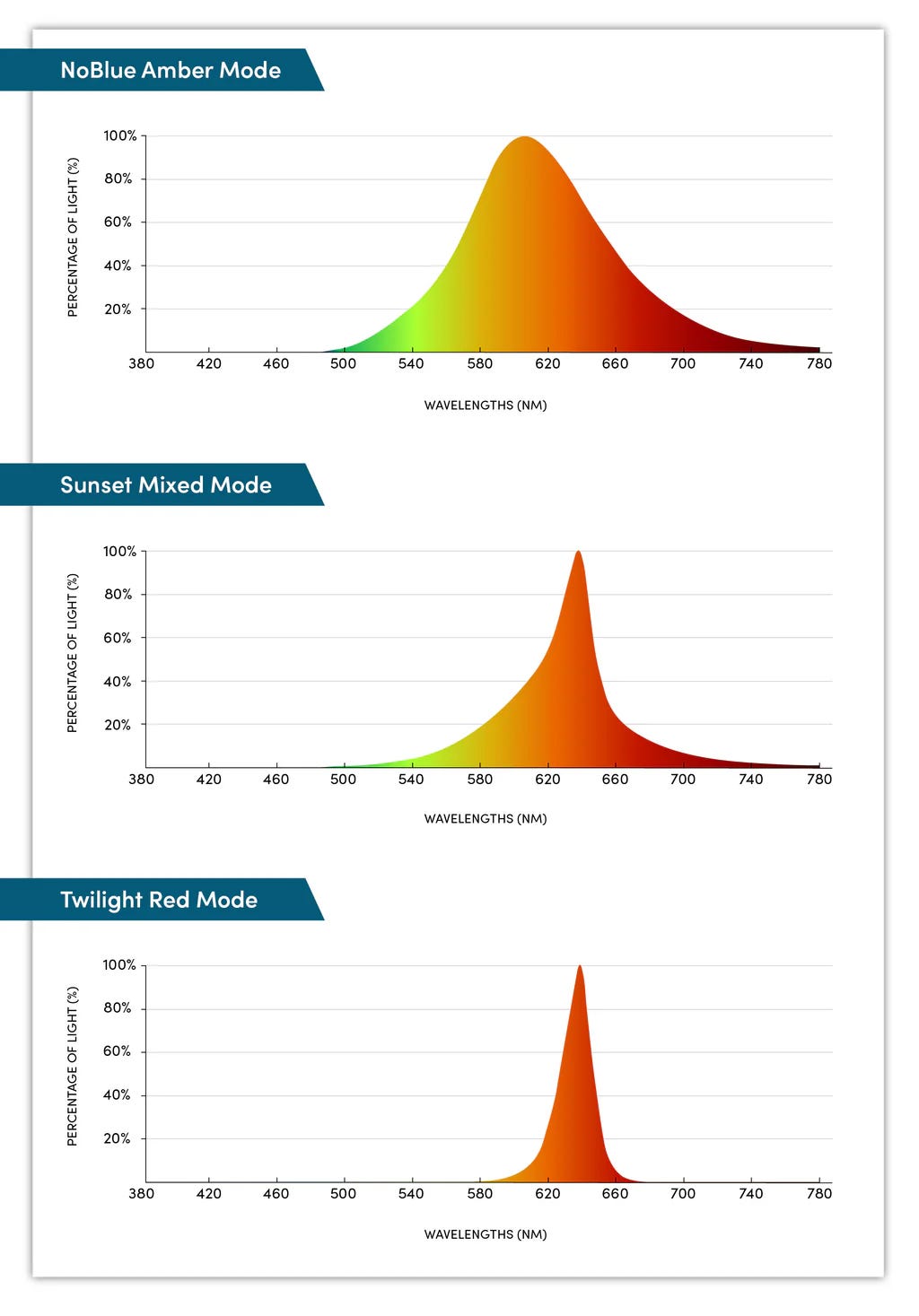
Living intentionally is also about the small, often overlooked choices that shape your day-to-day life. Even something as simple as the light in your home can affect how you live.
The light in your house is messing with your sleep. Your sleep is messing with your performance.
Exposure to green light wavelengths at night has also been shown to have massive impacts on our sleep. Science shows that not only blue light but also green light up to 550nm can affect your optimal melatonin levels.
Less than 150 years ago, artificial light did not exist. Moonlight, candlelight and the orange light of fire was all that illuminated the night. The rising and setting of the sun were clear indicators to our brain when the day began and ended.
When the electric light bulb was invented, artificial light allowed education, productivity and industry to grow rapidly. The truth is our ever-increasing exposure to light from screens, bright office lighting, home lighting and street lights could be an overlooked health risk of our modern lives. It’s having a devastating impact on our health, and we don’t realize it.
By dimming your lights, reading with red or amber light, removing screens at night, your sleep, your body, and your brain can improve to make you feel almost superhuman.
Always Forward
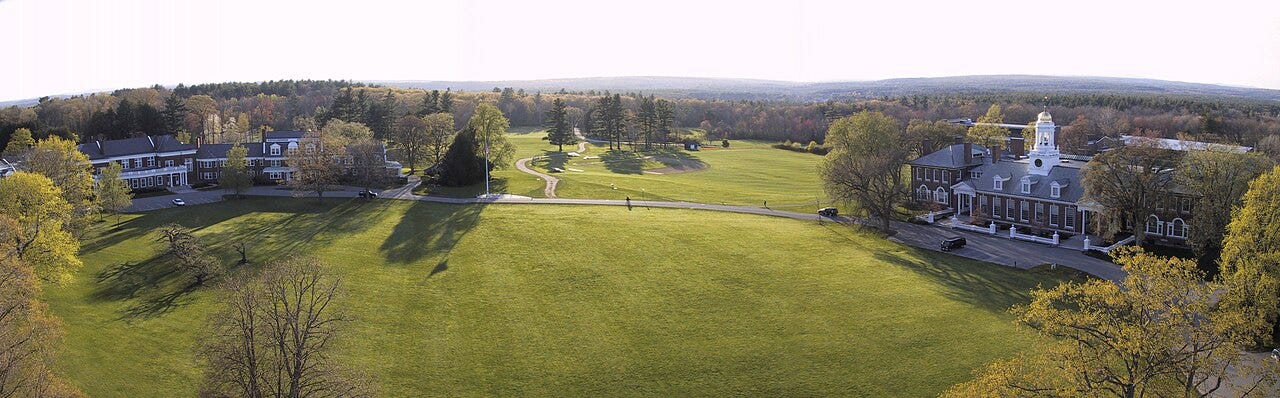
Living intentionally is also about what you do when no one is watching. Courage, patience, and resilience shouldn’t just be abstract ideals. In December in 1904, Theodore Roosevelt wrote a letter to his son Kermit who was at the Groton School in Massachusetts. He was trying to help him understand the importance of always moving forward. Not matter his struggles as a young man, he must find a way to be courageous.
“Sometimes in life, both at school and afterwards, fortune will go against anyone, but if he just keeps pegging away and don’t lose his courage things always take a turn for the better in the end.” — Theodore Roosevelt
Courage requires commitment. It requires understanding that you will stumble, but you still must move forward. You must choose to live and live well. You cannot merely exist.
Not enough men and women today understand what it means to have courage. Rarely do you hear it discussed, and even more rarely do you see it in action.
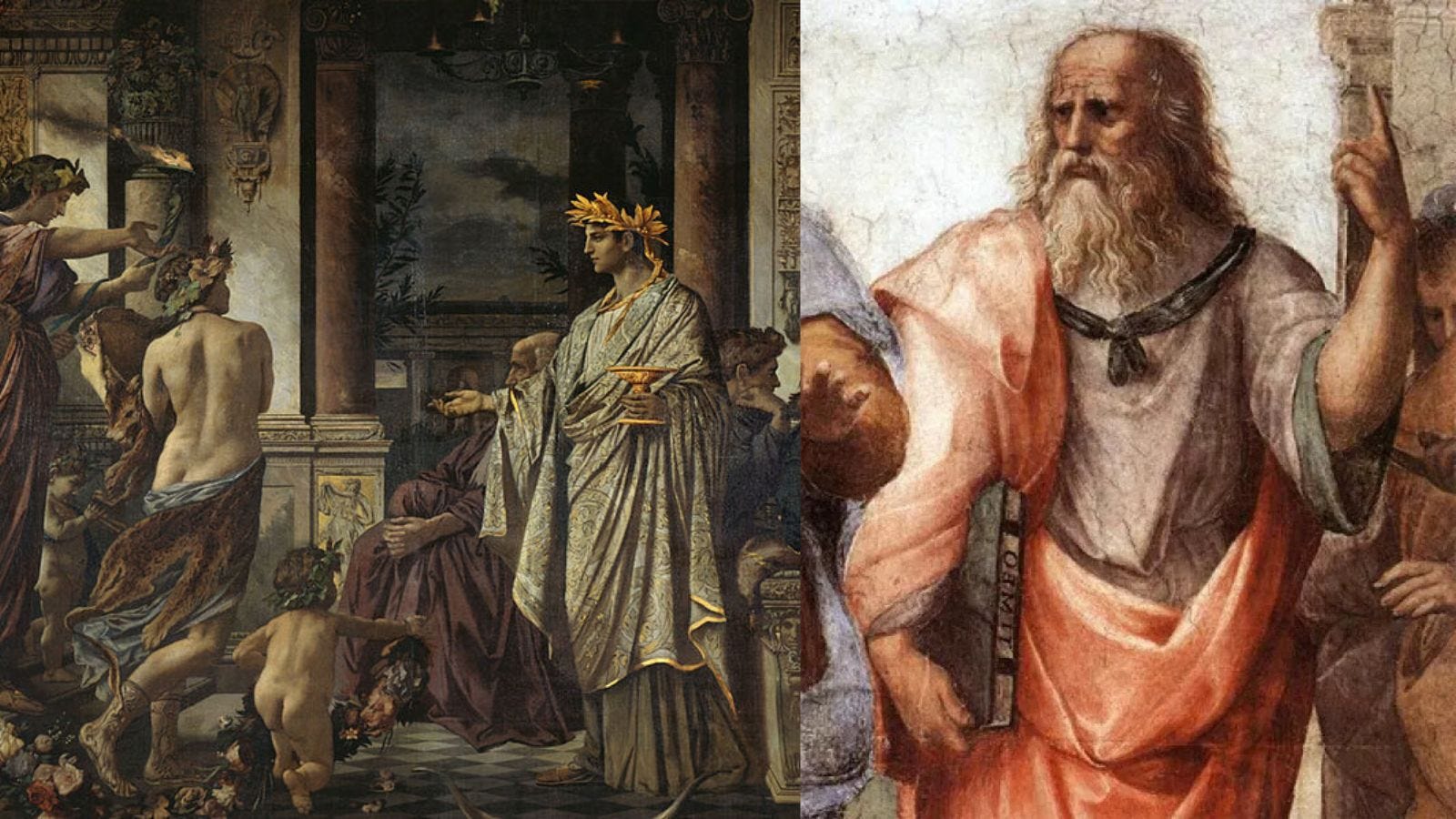
It was Plato in ancient Greece who knew the value of courage when he defined it as “the knowledge of things that a man should fear and that he should not fear.”
We should all fear not doing our best. We should all fear not preparing enough. We should all fear existing instead of living.
When the Macedonians were marching through Greece, they decided to send a message in advance to Sparta. It was not just a message. It was a threat.
King Philip, 345BCE: “You are advised to submit without further delay, for if I bring my army into your land, I will destroy your farms, slay your people, and raze your city.”
The Spartans only said one word…“If.”
The Spartans had courage. They had a mind for victory. They knew that they would bring their best if King Philip decided to move through their land.
If.
Two letters with a powerful impact. King Philip understood that invading Sparta would not be like fighting other Greek cities, he would be facing soldiers who were willing to die rather than surrender. That two-letter response was enough to make him reconsider. The Macedonian army avoided Sparta entirely.
Reflections
What if you believed in yourself, in your path, in your purpose? What kind of life would you live?
In Closing...
Any feedback, suggestion, or critique is welcome: feel free to reply (if you got this in your inbox) or send an email to mosburn@aristosglobal.com
Stay sharp,
Michael
#131
The Real Con